
Private jets are super fancy and fun for flying, but I wonder, can they fly all the way across the big ocean? In this article, I’m gonna look at everything about private jets, like how far they can fly and how well they work. I’ll also check out stuff that affects flying across the ocean, like the weather and some annoying rules. Plus, I’ll take a look at the costs involved and some alternative options for anyone thinking about a long-haul journey. Whether I’m dreaming about my first private jet experience or just researching travel options, this information has got me covered!
What’s a Private Jet and How Far Can it Go?

Private jets are super cool for travel and flying, giving awesome comfort and making flying easy for people who can pay for it. With all the cool new tech for planes, jets like the Gulfstream G650ER and Bombardier Global 7500 have really made waves in the market, showcasing some impressive capabilities and long-range potential.
I mean, these jets can effortlessly cover long distances, making them the perfect option for transatlantic flights. When I get to travel on these long-range jets, it’s all about enjoying a fancy ride that makes flying quicker and boost passenger comfort while soaring through the skies.
Let’s look at the Gulfstream G650ER, for example. It’s really special and can fly over 7,500 nautical miles. Its wings are smart and help save fuel and keep the ride smooth, even when it’s a bit bumpy outside.
Then there’s the Bombardier Global 7500, which really takes comfort to a whole new level with its spacious cabin, customizable layouts, fully reclining seats, and advanced noise-cancellation tech.
Each of these aircraft comes loaded with premium amenities like high-speed internet, gourmet catering options, and top-notch entertainment systems that really enhance the in-flight experience. As private aviation keeps evolving, it’s clear that these jets are committed to luxury, making long-haul travel not just doable but also downright enjoyable.
Things That Affect a Private Jet’s Chance to Fly Across the Ocean
Flying across the ocean in a private jet is about lots of things that can mess up or help the trip. Whether I’m heading from New York to London, Miami, or Paris, I see how aviation advancements play a key role in making these transatlantic flights efficient and safe.
The capabilities of different aircraft, their fuel efficiency, and the comfort of the cabin all blend together to shape my overall experience. It’s all about making sure luxury travel meets what modern passengers like me expect.
Knowing these factors is super important for anyone thinking about taking a private jet across the ocean.
How Far Can Private Jets Go and How Well Do They Work?
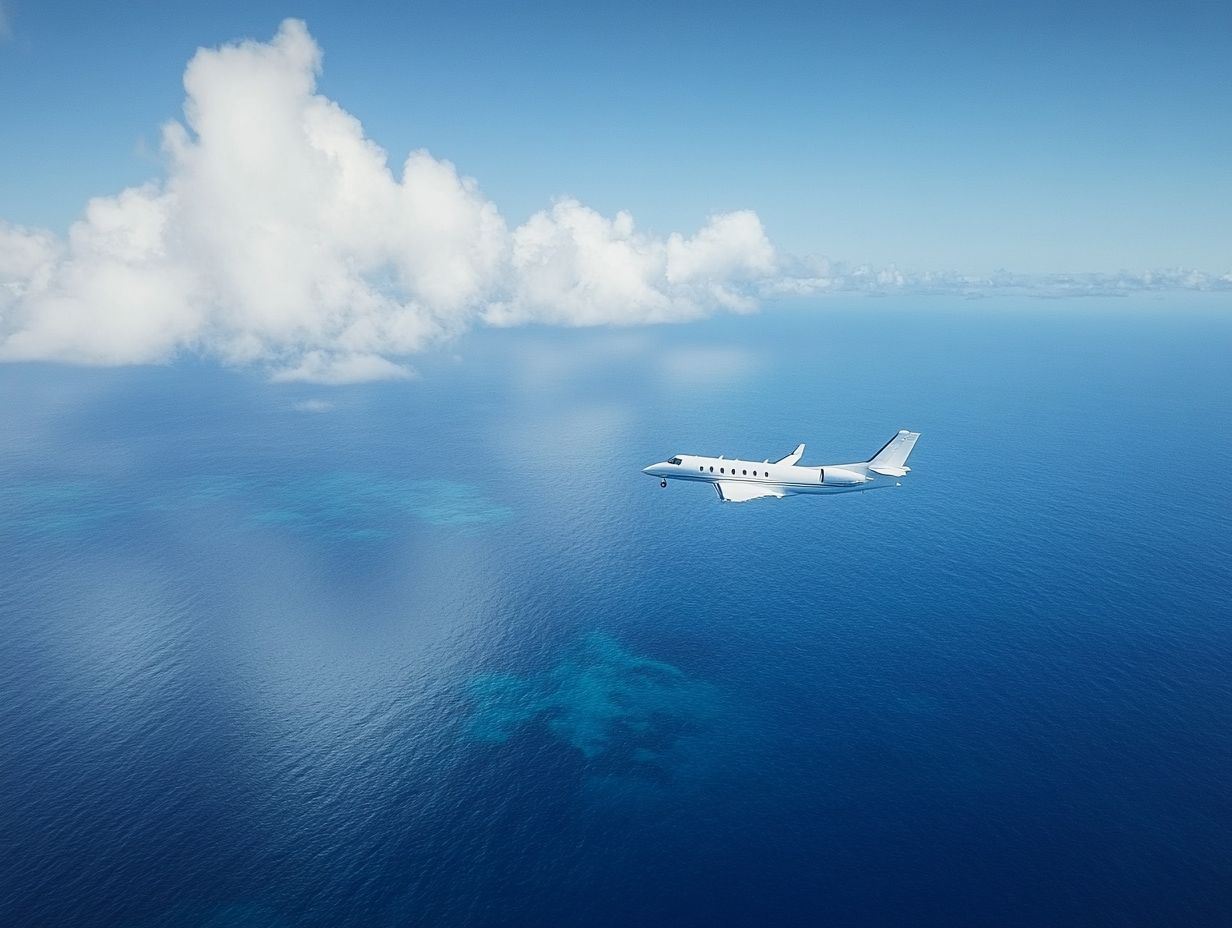
The range and performance of private jets like the Gulfstream G650ER and Bombardier Global 7500 are huge factors when it comes to handling transatlantic flights. These long-range jets are equipped with advanced tech that maximizes fuel efficiency and offers incredible cabin comfort, which means they can cover long distances without needing to stop often. Knowing what these aircraft can do gives me a good idea of how far and efficiently I can fly.
Take the Gulfstream G650ER, for example. It has an impressive maximum flight distance of over 7,500 nautical miles, which means I could travel non-stop from New York to Hong Kong. Then there’s the Bombardier Global 7500, which can reach nearly 7,700 nautical miles, making it perfect for international business travelers and vacationers like me.
These jets are powered by state-of-the-art engines that optimize fuel consumption, showcasing some serious advancements in sustainable aviation design. With innovative materials and aerodynamic shapes, they not only boost performance but also ensure a smooth and luxurious in-flight experience. I can arrive at my destination feeling refreshed and ready to take on whatever comes next.
Weather and smart route planning
Weather and smart route planning are super important things that can change how well and comfy a flight across the ocean is. When I’m choosing a route, I rely on advanced aviation technology to help me navigate the North Atlantic Tracks while keeping an eye on things like jet lag and shifting climate conditions.
- Private jets are fancy.
- They can fly far.
- Weather matters.
- Planning is key.
By getting what these things are, I can help make sure that people on private jets have a way better trip.
As private jet flying gets more popular for folks wanting to zoom across the Atlantic, it’s super important for me as a pilot to stay sharp and change my plans for different weather stuff.
For example, things like bumpy air, storms, and strong winds can decide the best ways to go, and it’s all about making quick changes to keep everyone safe and comfy.
Using up-to-date weather info and fancy flight tools is a total game changer. It lets me make informed decisions before and during the flight, which not only cuts down on travel time but also helps ease the effects of jet lag.
I want travelers to get to where they’re going feeling happy and chill.
Hard Stuff and Things to Think About for Atlantic Trips in a Private Jet

Flying on a private jet has its cool perks, but I see some tough stuff to think about when planning those trips across the Atlantic.
First off, I gotta get all the rules and permissions to make sure everything is cool and safe for the trip. Plus, the cost and logistics of operating a private jet can really complicate things.
I gotta think about these things against the good stuff, like avoiding jet lag and having a super fancy travel time.
Rules and Permissions
Getting through rules and permissions is a big deal for any private jet flying across the Atlantic. I’ve learned that each country has its own aviation rules, so it’s important for both pilots and passengers to be aware of the necessary documentation and clearances needed before takeoff. If I pay attention, I can have a smooth trip.
I’ve seen that tech stuff like electronic flight bags (EFBs) and air traffic management systems really help in following these rules. They make flight planning a breeze and ensure real-time communication with air traffic control.
Using these tools boosts operational safety and efficiency, allowing the jet to navigate through complex airspace while minimizing potential delays from regulatory hurdles.
Money and Planning
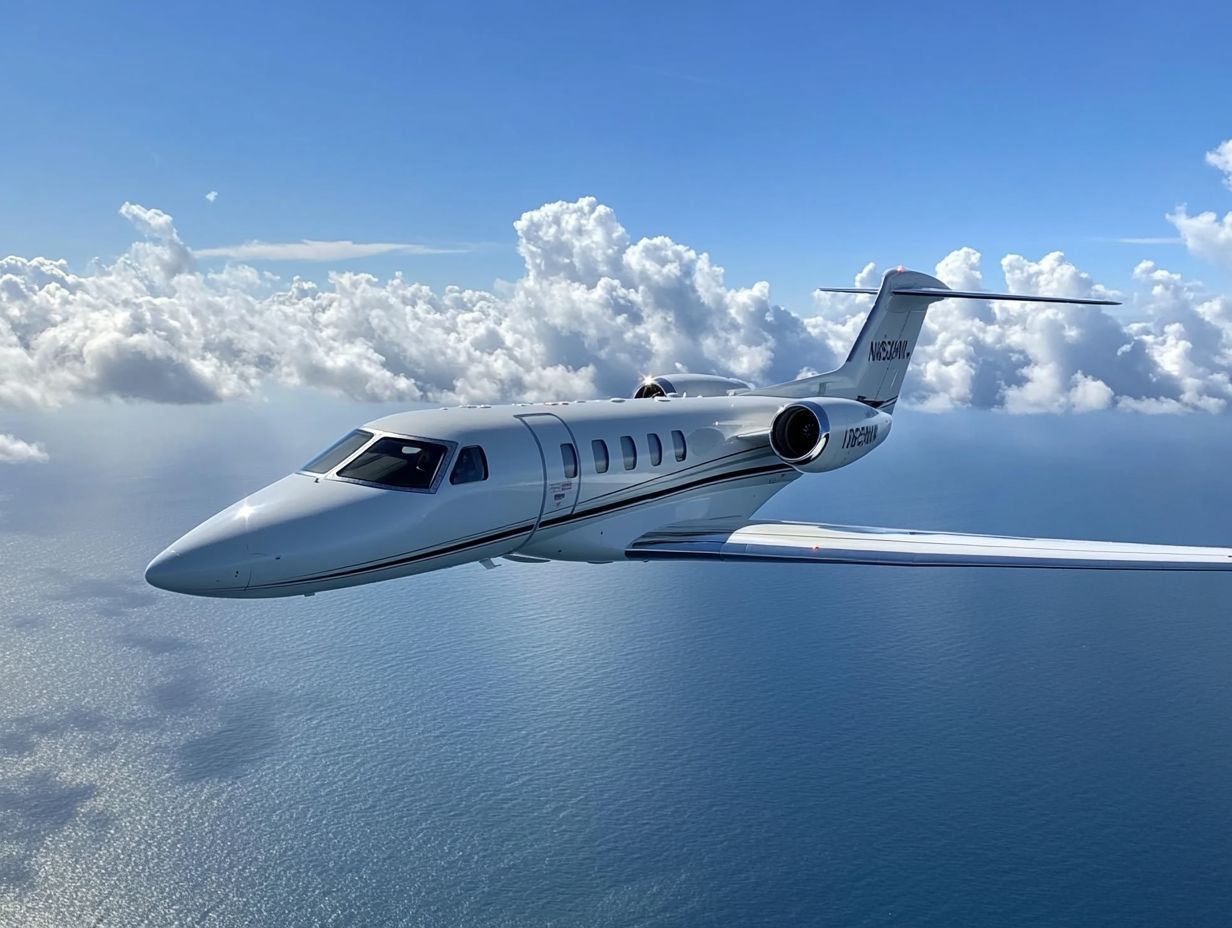
The money and planning for a private jet’s trip across the Atlantic can really pile up, and they totally change the whole fancy travel vibe. I need to consider factors like aircraft rental, crew fees, fuel costs, and airport fees, which all pile on, so careful budgeting and planning are essential to keep the trip within my financial expectations.
Understanding these costs helps me make informed decisions when I’m thinking about private jet travel.
On top of those main expenses, I also have to factor in potential landing and handling fees at both the departure and arrival airports. These can vary quite a bit depending on where I’m flying and the time of year.
If I choose to get food services and extra comfy stuff on board to make my trip better, those choices can really add to the total money I spend.
With proper planning, I can choose the right type of aircraft that fits the experience I want, while also optimizing routes for fuel efficiency. This way, I can enjoy a more luxurious travel experience that aligns with my personal or corporate budget.
By being aware of all these details, I can truly enjoy the perks of personalized air travel without any financial surprises.
Other Ways to Fly Across the Atlantic Instead of a Private Jet
If I’m thinking about flying across the Atlantic, I know there are a few other ways to do it, like renting a jet or using regular airlines. Each option has its own perks and downsides.
Chartering a jet offers that same luxurious feel as a private jet, but if I’m looking to save some cash, commercial airlines can be a more budget-friendly choice, especially for longer flights.
It’s important for me to know these other ways so I can avoid jet lag and enjoy my trip across the ocean.
Flying Private or Going Commercial?
So, like, when I think about ways to fly across the ocean, I kinda think about flying private or just jumping on a regular plane. Both are kinda cool but different.
Flying private means I get stuff made just for me, like comfy seats and yummy food. But, flying commercial is cheaper, but I guess it kinda has its downsides, like less comfy stuff and maybe more tiredness.
If I fly private, I can pick when and where I wanna go. Super easy! Plus, they make everything special for me, like fancy food and lots of space to chill.
But if I fly commercial, I gotta deal with their times, and, like, crowded places and long lines. Ugh! Cheap tickets are cool, but those tiny seats and not-so-great service make me super tired when I finally get there.
- Private Jet: Super comfy, pick your time, get fancy food.
- Commercial Airlines: Cheaper, but crowded and not as cool.
- Commercial can be hot and crowded!