
In helicopter operations, fuel tanks are really, really important for helicopters, like the AS350 and EC130, you know? They help keep things safe, let helicopters fly far, and help with missions.
Key Takeaways:
Importance of Fuel Tanks in Helicopter Operations

Fuel tanks are super important for helicopters, like the AS350 and EC130. They help keep things safe, let helicopters fly far, and help with missions.
Having strong and safe fuel tanks is super key, especially ones that are approved by the FAA, like tanks that don’t leak when they crash. This stops fuel from leaking and keeps things safe for both regular and military flights.
Also, designs that get the thumbs up from EASA and TCCA show that everyone cares about safety and efficiency in flying.
What Kinds of Fuel Tanks Helicopters Have
Helicopters make use of different types of fuel tanks, including internal and external options, to meet their operational needs and safety standards.
Internal tanks are made to save space and go super fast, which is awesome! External tanks give more fuel for long trips. Cool models like Airbus Helicopters and DART kits make sure both tanks are safe in crashes.
Internal Fuel Tanks
Internal fuel tanks play a crucial role in the efficient operation of helicopters, offering essential fuel capacity while keeping the design sleek and streamlined. These tanks have cool stuff like special drains that keep fuel safe and gadgets that tell how much fuel is in there.
By integrating fuel directly within the helicopter’s structure, these internal tanks make a significant difference in aerodynamics, helping to reduce drag and ultimately boost flight performance. This design not only increases payload capacity but also optimizes the vehicle’s center of gravity, which is vital for stability during those tricky flight maneuvers.
With sophisticated fuel monitoring systems in place, pilots can access real-time data on fuel levels, enabling them to make smart choices during operations. Plus, enhanced safety measures, particularly storm-resistant sump drains, work to prevent fuel spillage in the event of an accident, highlighting the reliability and engineering brilliance that internal fuel tanks contribute to modern helicopter design.
Outside Fuel Tanks

Outside fuel tanks are super important for helping helicopters fly longer, especially when they need more fuel for important jobs. These tanks are designed to work seamlessly with systems like Airbus Helicopters cargo swing and DART Spacepods, boosting versatility while keeping safety and performance standards in check.
By allowing operators to carry more fuel, these tanks enable longer flights, extensive aerial surveys, and emergency medical missions without the hassle of frequent refueling stops. The integration of external fuel tanks with advanced avionics and operational systems means that pilots can easily monitor fuel levels and manage weight distribution, ensuring optimal performance in the air.
Safety is super important for these tanks. They are made strong and with good materials to keep fuel safe and not spill. This helps helicopter crews focus on their jobs, knowing their helicopters can go far and are really strong.
What Stuff Helicopter Fuel Tanks Are Made Of
The stuff in helicopter fuel tanks is super important for keeping things safe and working good.
These materials help the tanks last a long time and also make it easier to move fuel and clean spills when stuff goes wrong, which is super helpful!
Common Stuff and What It Does
Common stuff used in helicopter fuel tanks is strong materials that can take tough weather and are not heavy at all. These strong materials are made to deal with super hot and hard hits, making fuel tanks strong and keeping the helicopter safe.
Also, using this stuff usually means less money spent to fix things because they don’t rust or get tired, which makes them last a long time. This innovative approach really elevates the reliability and operational efficiency of helicopters, making them vital for everything from rescue missions to routine transportation.
How Much Fuel and How Far
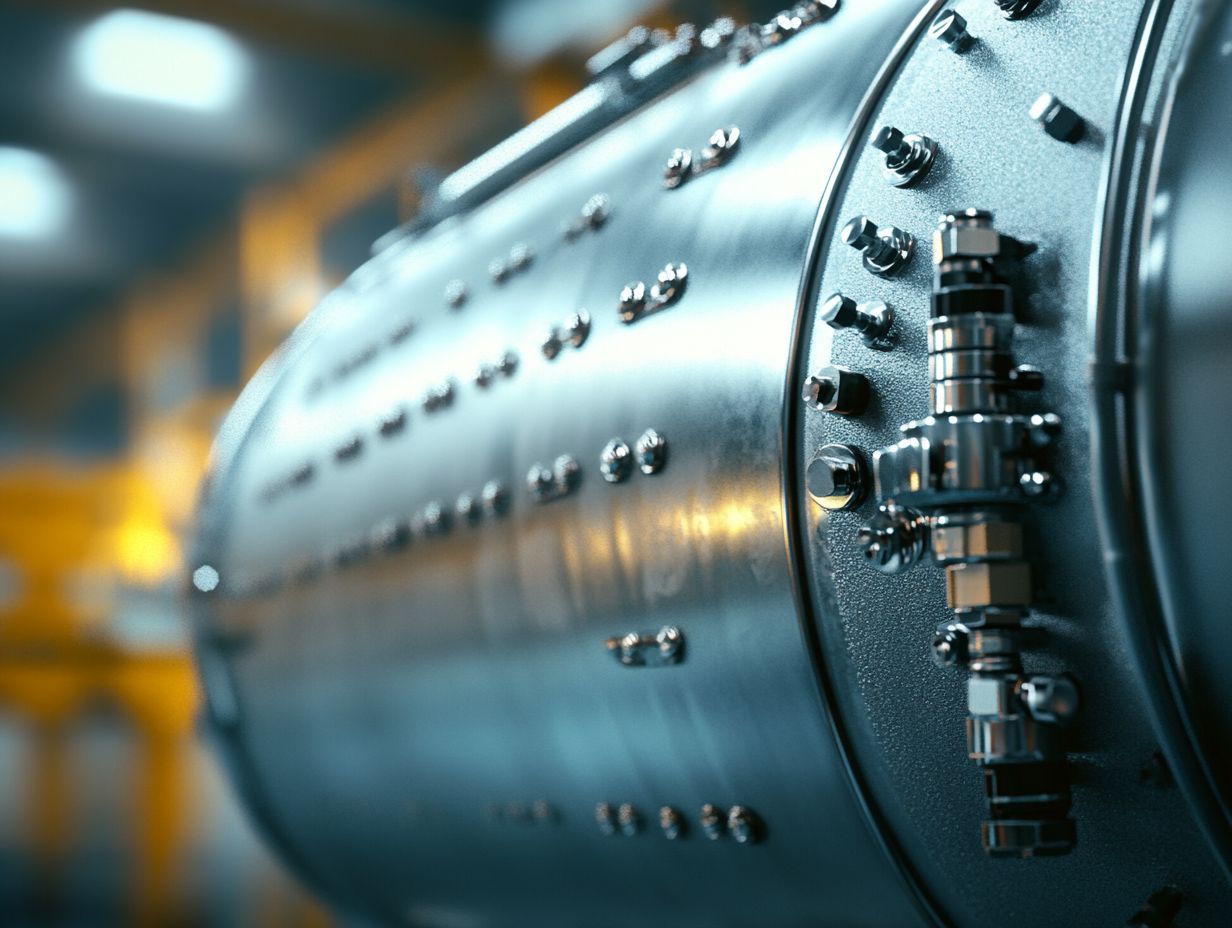
Knowing how much fuel the tank can hold and how far it can go is super important for flying helicopters, especially when moving fuel because every drop matters.
Innovations in measuring fuel capacity and adding independent low fuel sensors mean that pilots are always in the loop about their fuel levels. This knowledge helps them plan missions more efficiently and extend their operational range.
Factors Affecting Capacity and Range
Many things change how much fuel the tank can hold and how far it can go, like how the tank is designed and safety stuff that stops leaks. Maintenance features, such as dual pump configurations and quick-change cartridge pumps, can also impact performance and operational efficiency.
Along with these design elements, the weight of the fuel itself, the intended mission profile, and external environmental conditions play crucial roles in determining how far a helicopter can fly before needing to refuel. Helicopter operators need to take these variables into account when planning missions, as they directly affect fuel consumption rates and overall operational effectiveness.
Advanced technologies like fuel management systems can provide real-time data on fuel usage, allowing operators to optimize flight paths that enhance range while still meeting safety standards. Understanding the interplay between fuel capacity, helicopter weight, and engine performance is essential for maintaining the aircraft’s reliability and efficiency over time.
Fuel Tank Maintenance and Inspection
Regular checking and taking care of fuel tanks is super important for safe helicopter flying, helping to make sure the tanks stay working good and reliable in all kinds of weather.
It’s important for operators to implement maintenance features that make the main components easily accessible, and to establish increased inspection intervals. These practices are crucial for preventing fuel-related incidents and ensuring compliance with aviation standards.
Checking and Taking Care of Fuel Tanks
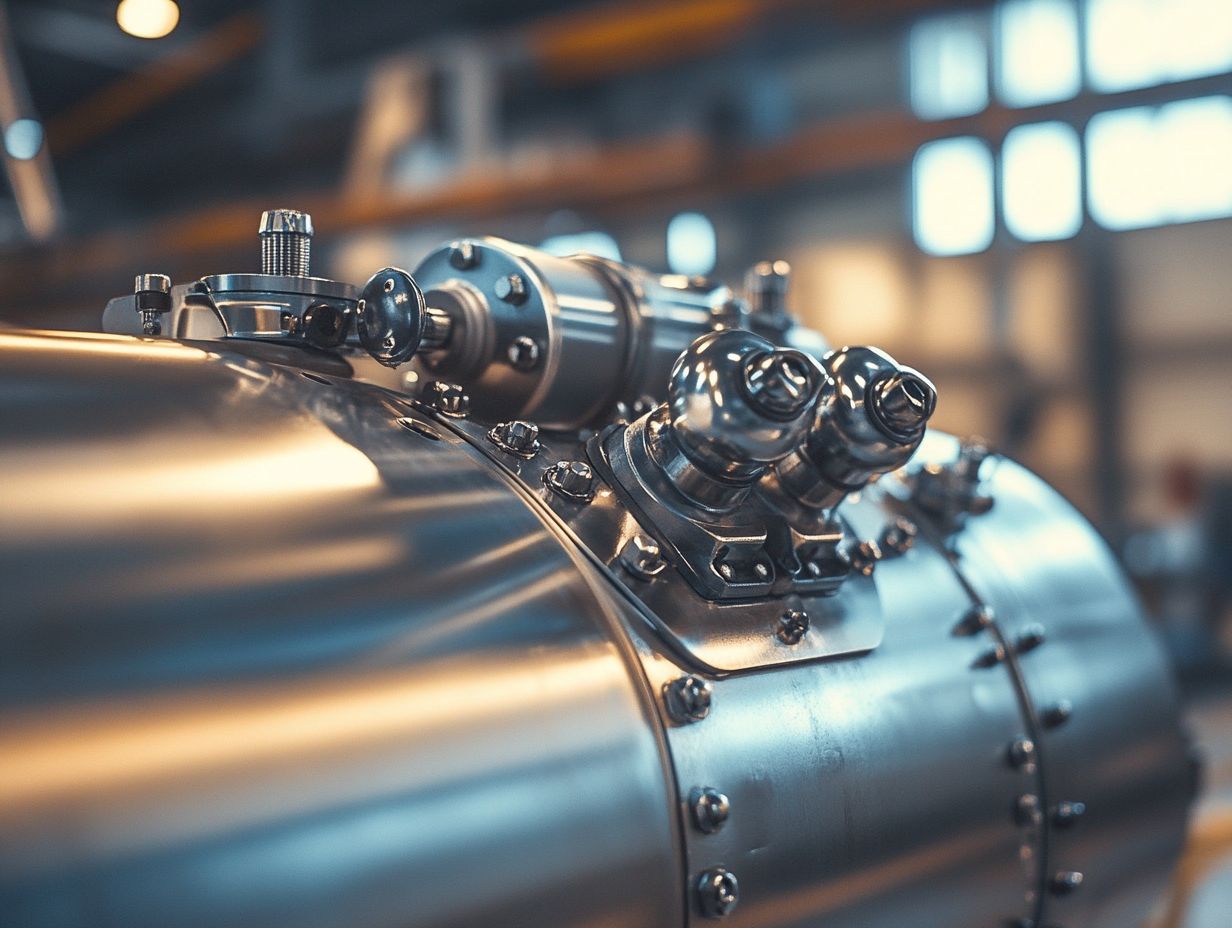
Checking and taking care of helicopter fuel tanks is all about making sure safety things work right, like the fuel level gauge and strong fuel tank systems that don’t break easily.
- Keep safety features working
- Check for leaks often
- Make sure everything is easy to fix
Using cool new tech helps operators follow rules and makes sure the important parts of the helicopter last a long time.
Why Helicopter Fuel Tanks Need to Be Safe
It’s super important to keep helicopter fuel tanks safe, especially when helping out in emergencies. Safety is super important!
Cool stuff like self-sealing valves and vent protection help stop fuel leaks and make flying safer.
How to Stay Safe and What to Do in Emergencies
Doing stuff to stop problems and knowing what to do if things go wrong is super, super important for keeping helicopter fuel tanks safe, for real!
Regular checks and looking closely at fuel systems help find leaks before they get really bad. Teaching crew members what to do in emergencies, like shutting off fuel fast, helps keep spills from being super scary.
Using systems that show live fuel levels helps people act fast if something looks wrong. All this stuff works together to keep things safe and makes everyone feel good about flying.
- Key safety features include:
- Self-sealing breakaway valves that are really cool
- Vent protection to keep stuff safe